Small Bathroom Ideas: Smart Space-Saving Design
Written by
Ella
Published on
January 19, 2026
Reading Time
4 min read
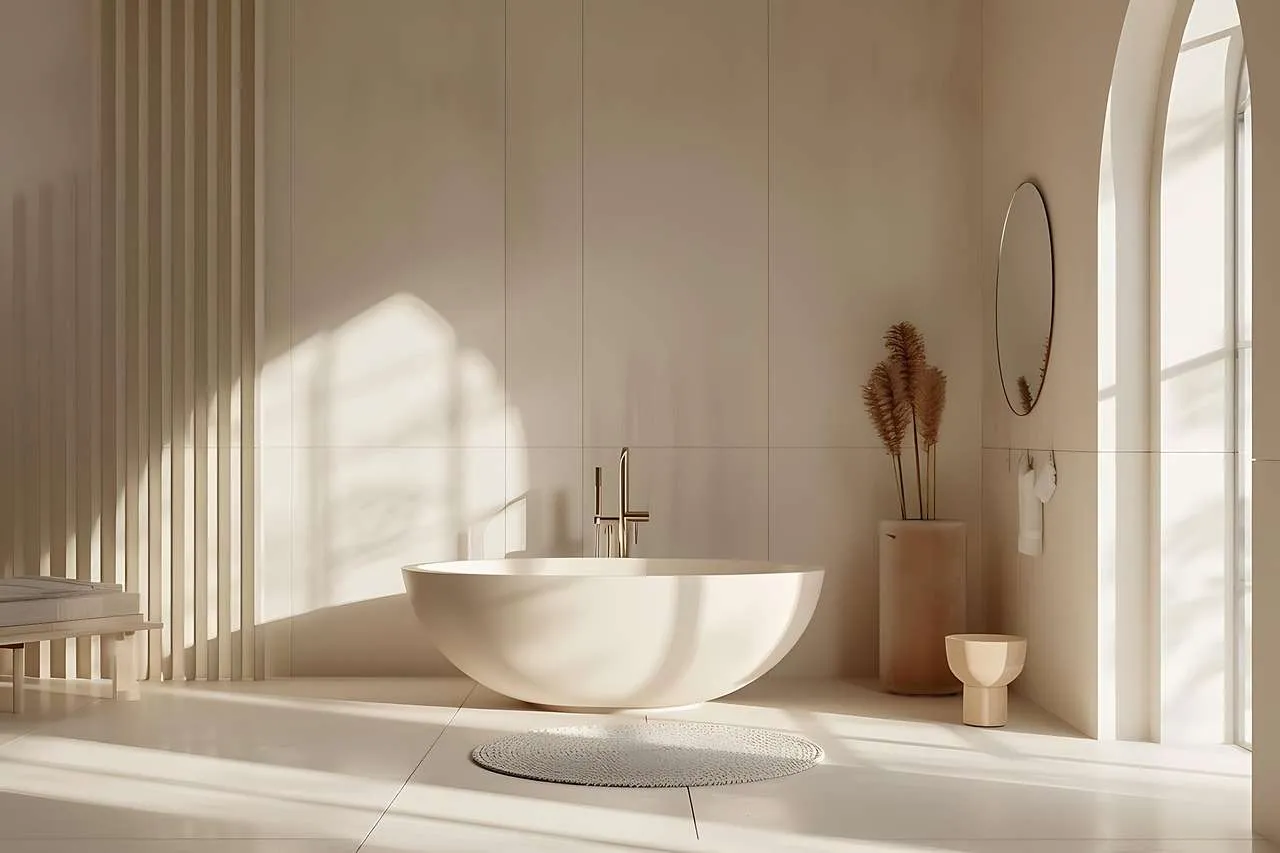
Small bathrooms can feel cramped, but with thoughtful planning and design, you can create a space that feels brighter, more functional, and visually larger. This guide shares small bathroom ideas that address layout, storage, lighting, and materials, with practical tips for long lasting durability. Whether you are renovating a powder room or upgrading a master bath, these principles help you maximize every inch without sacrificing style.
Smart Layouts for Tiny Floors
Efficient layouts maximize every square inch. Consider door swing, vertical space, and traffic flow. Where possible, install a pocket door or a sliding barn door to free up floor space. Place the shower or tub in one corner and the vanity along an opposite wall to create a clear path. A wall mounted toilet and a compact sink further open the floor area and make cleaning easier.
- Use vertical space with tall storage cabinets or recessed niches.
- Choose a floating vanity to reveal floor area and visually enlarge the room.
- Consider a corner sink and a slimline vanity to minimize bulk.
Door and Traffic Flow
In a small bath, the door can dominate the layout. A pocket door or a curved interior door reduces obstruction, while a door that opens outward in the hallway may be the best option in tight spaces.
Efficient Vanity and Storage
Storage is the backbone of small bathroom ideas. Use multi functional pieces and hidden storage to reduce clutter. A floating vanity with drawers or pull out organizers keeps essentials within reach without taking up floor space. Medicine cabinets with internal shelving, recessed niches in the shower, and over the toilet shelving maximize vertical storage.
- Opt for a vanity around 24 to 36 inches wide that fits the sink and faucet comfortably.
- Use pull out baskets and dividers inside drawers for cosmetics and toiletries.
- Install a recessed medicine cabinet with mirror to combine storage and light.
Color, Lighting and Materials
Light colors and reflective surfaces visually expand a small bathroom. Choose white or pale neutrals for bigger feel, paired with a few accent textures. Large format tiles reduce grout lines and add continuity. Ensure moisture resistant paint or tile sealant and use a moisture rated ceiling finish. Layer lighting with ambient general, task lighting around mirror, and a narrow wall light above the shower to avoid harsh shadows.
Materials and Finishes
Prefer glazed ceramic tiles, glass shower enclosures, and a high gloss or satin finish for fixtures. Chrome or brushed nickel hardware complements most palettes and holds up well against humidity.
Fixtures and Accessories
Compact fixtures are a necessity. A 24 to 30 inch vanity, a 12 inch sink, and a 32 by 60 inch shower can create a comfortable layout in many small baths. Use a glass panel to keep openness, not a full enclosure that closes the space. Add recessed soap dish, shower niche, and towel bars that sit flush with the wall to prevent snagging.
Comparison at a Glance
| Option | Space Saving | Pros | Cons | Best For |
|---|---|---|---|---|
| Walk in shower with glass panel | High | Feels open and accessible | Requires detailed waterproofing | Small baths without tub |
| Wall mounted vanity | Medium to high | Floating look and easy cleaning | Limited storage below | Sleek modern vibe |
| Pocket door | High | No swing space needed | Higher install cost | Very tight layouts |
| Recessed medicine cabinet | Medium | Built in storage without bulk | Depth limited | Mirror and storage combo |
Budget-Friendly Upgrades
Small changes can transform the room without a full gut. Refresh paint with mildew resistant finishes, replace a dated faucet with a compact water sense model, add LED mirror lighting, and install removable organizers. If you can, upgrade to a single, cohesive material palette to reduce visual clutter and maintenance.
Summary: The key to successful small bathroom ideas is balancing form and function. By selecting compact fixtures, maximizing vertical storage, choosing light colors and quality materials, you create a space that feels larger, more restful, and easier to maintain over time.