Home Window Tinting: Benefits, Types, and Expert Tips
Written by
Daniel
Published on
January 19, 2026
Reading Time
3 min read
What is Home Window Tinting?
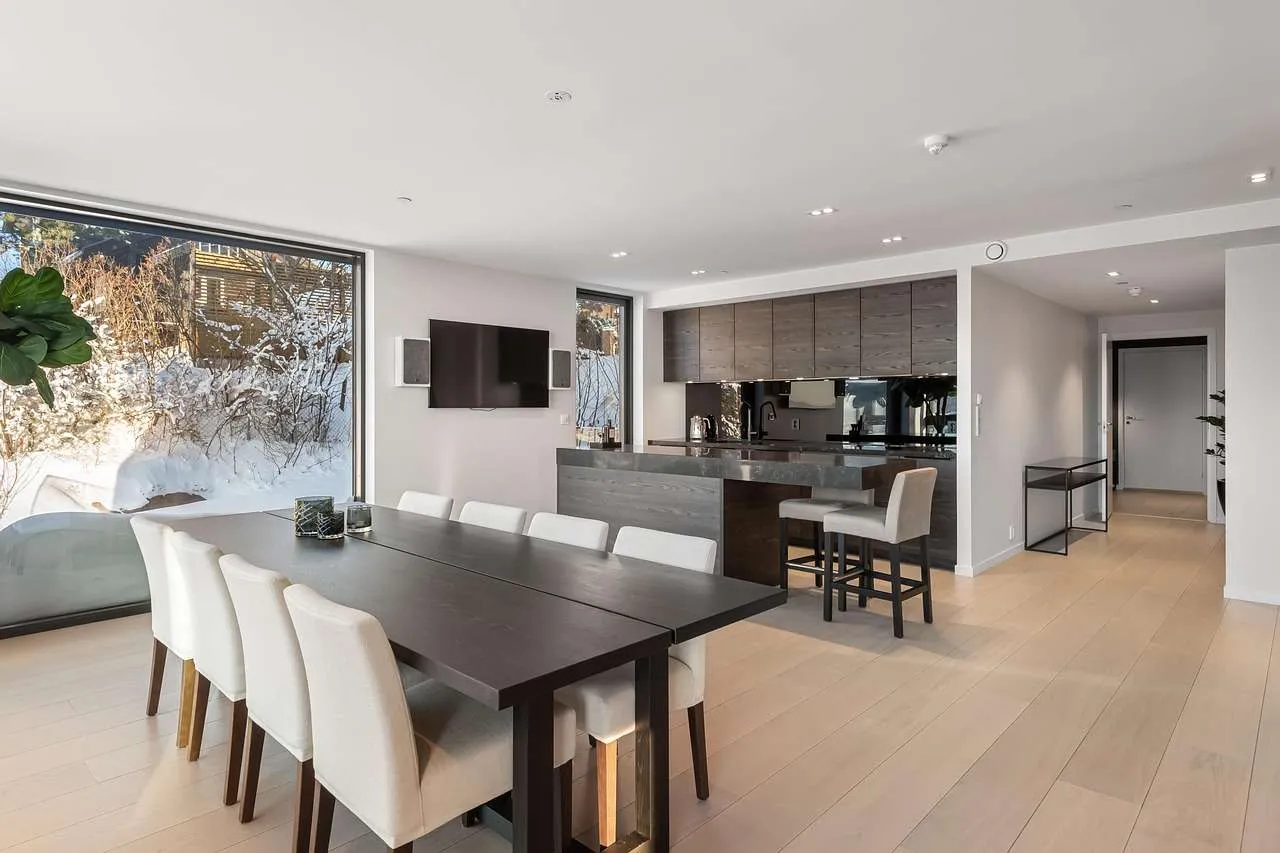
Home window tinting involves applying a thin, transparent film to the interior or exterior surface of residential windows. This film is designed to enhance privacy, reduce heat and glare, improve energy efficiency, and protect the interiors from UV damage. Whether you live in a sunny climate or want added security and comfort, window tinting can be a cost-effective upgrade for your home.
Top Benefits of Home Window Tinting
1. Energy Efficiency and Cost Savings
One of the primary advantages of window tinting is improving your home’s energy efficiency. Tint films reduce solar heat gain, keeping your home cooler during hot months and reducing the reliance on air conditioning. This translates directly into lower utility bills and a smaller carbon footprint.
2. UV Protection
Window films block up to 99% of harmful ultraviolet (UV) rays, safeguarding your skin and preventing fading or damage to furniture, flooring, artwork, and curtains.
3. Increased Privacy and Security
Certain types of tints provide daytime privacy by limiting visibility into your home without sacrificing natural light. Additionally, safety films can hold shattered glass together during breakage, preventing injuries and deterring break-ins.
4. Enhanced Comfort and Reduced Glare
Window tinting reduces the intense glare from sunlight, making interiors more comfortable for activities like watching TV, working on computers, or reading.
Types of Home Window Tinting Films
| Type of Film | Primary Benefits | Typical Use |
|---|---|---|
| Solar Control Film | Reduces heat and glare, enhances energy savings | All-season residential application |
| Privacy Film | Limits visibility from outside, supports daylight entry | Living rooms, bedrooms, bathrooms |
| Safety and Security Film | Glass breakage resistance, deters intruders | Ground-floor windows, sliding doors |
| Decorative Film | Aesthetic enhancement, partial privacy | Bathrooms, glass partitions |
How to Choose the Right Window Tint for Your Home
Selecting the best window tint depends on your climate, budget, and specific needs such as privacy, energy savings, or aesthetics. Solar control films are ideal for hot climates, while safety films are important for homes seeking security upgrades. Always consult with a certified professional to assess your windows’ compatibility and to comply with any local regulations or HOA requirements.
Professional Installation vs. DIY Window Tinting
While DIY kits are available, professional installation is highly recommended for optimal results, warranty coverage, and longevity. Experienced technicians ensure the film is cut precisely and applied without bubbles or creases, maintaining both appearance and performance.
Maintenance Tips for Window Tinting
- Clean with a soft cloth and a mild, ammonia-free cleaning solution.
- Avoid abrasive materials and harsh chemicals that can damage the film.
- Inspect films regularly for peeling or damage and contact your installer for repairs if necessary.
Summary
In conclusion, home window tinting is a versatile home improvement solution that enhances energy efficiency, protects interiors from UV damage, increases privacy, and improves overall comfort. By understanding the various types of window films and working with a professional installer, homeowners can achieve lasting benefits that improve quality of life and reduce costs. Proper selection and maintenance will ensure your investment performs well for years to come.